
How Posture Affects Your Voice
Have you ever noticed how singers seem to embody a certain confidence and poise? Postural awareness plays a vital role in optimizing your vocal health, stage presence, and maximizing your singing potential. So, how exactly does posture influence your singing voice? Let's delve into the science behind it.
The Body as an Instrument
Your body is a musical instrument. When you sing, you use your core muscles to control your breath which vibrates your vocal folds to produce sound. Singer’s change the shape of their vocal tract (throat/mouth) to amplify the sound. Your posture directly affects this delicate system.
Finding Optimal Postural Positions for Breath Management
Body alignment is inherently dynamic and therefore one ideal position cannot be defined for singers to imitate. However, the voice as an instrument requires certain parameters to optimize functionality. These parameters are a well aligned spinal position and dynamic stabilization of the core and major joints. The ability to control these factors are essential for supporting the mechanics of breath management, laryngeal coordination, and articulation.
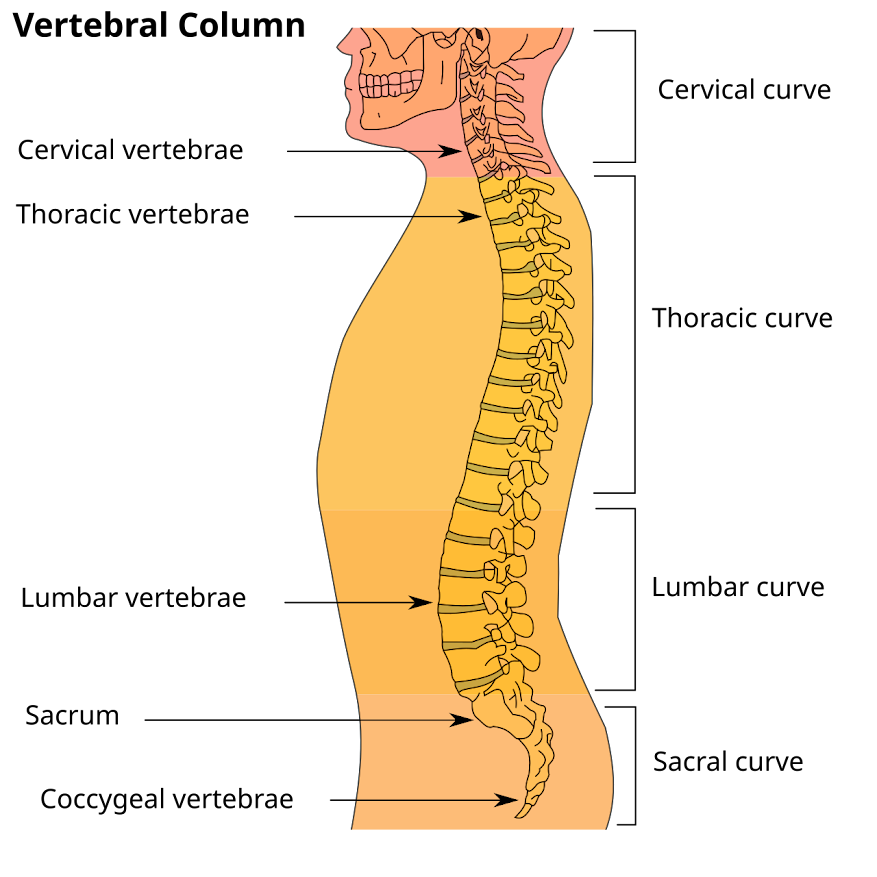
Neutral Spine Position Fig 1.1
A tall spine and relaxed shoulders creates space for freer movement, allowing for deep and controlled breaths that fuel your singing. Slouching or hunching restricts the diaphragm's movement and ribcage expansion; limiting the amount of air you can take in. and hindering your ability to sustain notes and/or projecting your voice effectively.
Pelvic Tilt also influences breath management. The pelvis provides support with bone structure and the pelvic floor muscles. Too much anterior tilt restricts mobility of the core muscles leading to an unstable movement of air.
Neutral Neck and Head posture allows for better airflow and resonance. Resonance is the amplification of your voice within this vocal tract, giving it depth and richness. A misaligned posture constricts your ability to change resonance space, making the voice sound thin and weak. Poor posture can lead to tension in the neck, shoulder, back, and throat muscles. This tension can strain your singing, making it more difficult to produce sound. Over time, it can even lead to vocal fatigue and injuries.
Finding Your Singing Posture
Optimal posture isn't about rigidity; it's about finding a balanced and supported position. Here are some tips:
Imagine a string pulling you up from the crown of your head.
Maintain a slight arch in your lower back (neutral spine).
Relax your shoulders and keep them down.
Distribute your weight evenly on both feet.
Even when sitting, focus on keeping your core stabilized and your spine elongated. Experiment with different postures to find what feels most comfortable and supportive for your voice.
Practice Makes Progress
Posture is just one piece of the vocal puzzle. However, it's a foundational element that can significantly impact your singing. Be mindful of your posture throughout the day, and incorporate posture exercises into your vocal warm-up routine. Remember, optimal posture isn't just about how you look while singing; by aligning your body for optimal breath control and resonance, you'll be well on your way to unleashing your full vocal potential. So, stand tall, breathe deeply, and let your voice soar!